admin@ads4.us

Five Unexpected New Uses for GLP-1 Receptor Agonists

Medications are often used off label when they are found to have properties or effects that could potentially benefit a disease state or condition they were not originally intended for. Up to one-third of all prescriptions for common medications in the United States are used off label.1 Glucagon-like peptide 1 (GLP-1) receptor agonists are a […]

Five Unexpected New Uses for GLP-1 Receptor Agonists Read More »

Evaluating the benefits of the early use of GLP-1 receptor agonists

Originally developed to improve glycaemic control in patients with type 2 diabetes, GLP-1 receptor agonists have emerged as promising agents for weight management and cardiovascular protection, expanding their therapeutic potential beyond diabetes care.1 Since 2016, clinical trials such as LEADER,2 SELECT,3 and SURPASS4 have demonstrated the cardiovascular benefits of GLP-1 receptor agonists, consistently showing a

Evaluating the benefits of the early use of GLP-1 receptor agonists Read More »

Dozens of new obesity drugs are coming: these are the ones to watch

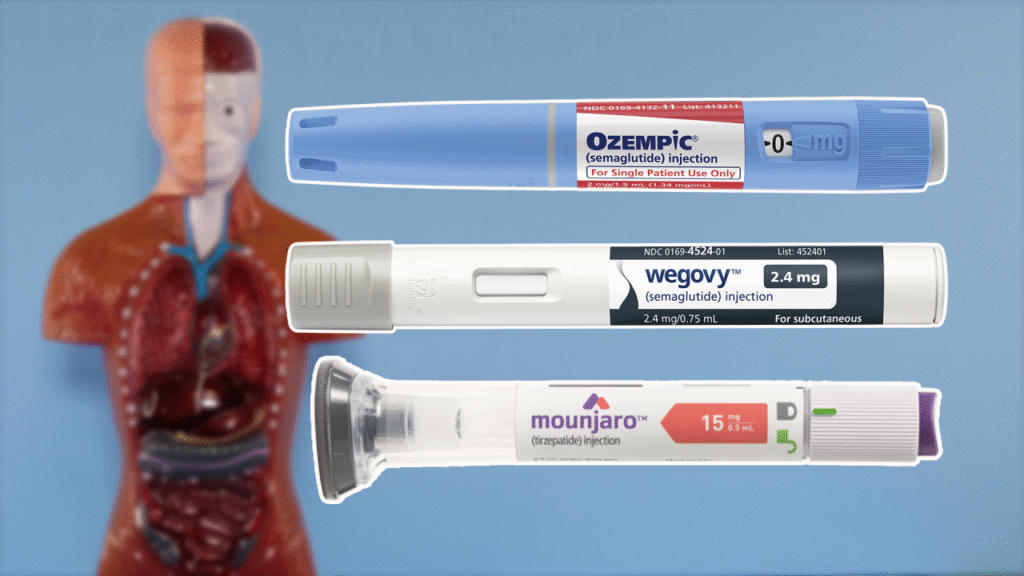
Next-generation obesity drugs will work differently from Ozempic and Wegovy — aiming to deliver greater weight loss with fewer side effects. Muscle loss is a big concern for people on anti-obesity medications such as semaglutide. These ‘GLP-1 agonists’ mimic a natural gut hormone — glucagon-like peptide 1 — to suppress appetite and regulate metabolism. But

Dozens of new obesity drugs are coming: these are the ones to watch Read More »

The Hospital Pharmacist’s Evolving Role in Acute Myocardial Infarction

ABSTRACT: Myocardial infarction (MI) continues to be a leading cause of death in the United States. Improvements in the diagnosis and treatment of acute MI have reduced in-hospital mortality from 30% in the 1970s to about 5% currently. The traditional functions of hospital pharmacists in MI care involve patient education and counseling on risk-factor modification

The Hospital Pharmacist’s Evolving Role in Acute Myocardial Infarction Read More »

Revolutionizing Oral Anticoagulation Through Telehealth

ABSTRACT: Telehealth has gained significant traction in recent years, enabling healthcare providers, including pharmacists, to enhance continuity of care. Findings indicate that technology-based interventions and monitoring can improve outcomes such as time within the therapeutic range and adherence while reducing adverse events such as thromboembolic incidents or bleeding. Emerging technologies, including artificial intelligence, personal coagulometers,

Revolutionizing Oral Anticoagulation Through Telehealth Read More »

Health Coaching for Cardiovascular Risk Reduction

ABSTRACT: Cardiovascular disease (CVD) is the leading cause of death globally, with costs expected to increase drastically over the next few decades. Health coaching has emerged as a potential adjunct treatment option for addressing CVD risk factors. Several studies show the positive impacts of health coaching on CVD risk factors. Health coaching, however, is an

Health Coaching for Cardiovascular Risk Reduction Read More »